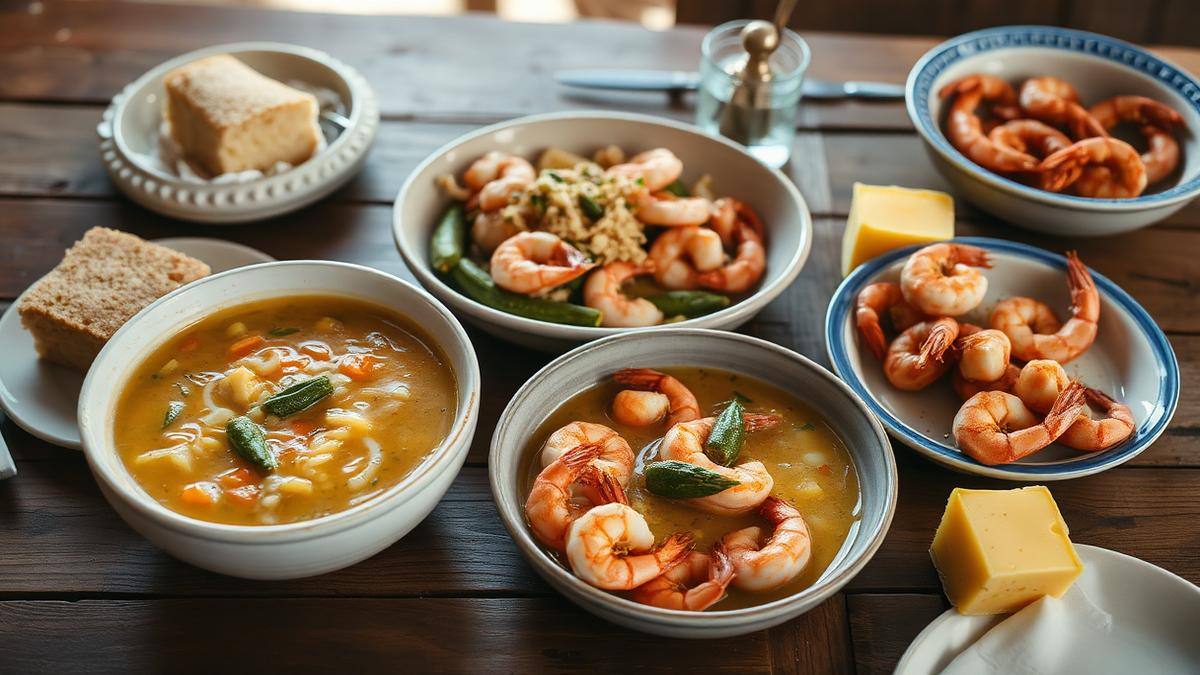
Visitors ask us this at the table almost every day. What is Lowcountry cuisine, exactly, and how is it different from Southern food in general? Fair question, and the short answer is geography. The Lowcountry is the flat, marshy coastal strip running from around Charleston, South Carolina down through Savannah, Georgia, and the food grew straight out of what that land and water produce.
Rice, shrimp, crab, oysters, okra, corn, and pork. That's the pantry. Everything else is technique and time.
The deeper answer involves the people who built this cooking, and that part matters more than any ingredient list.
Where does Lowcountry cooking come from?
Enslaved West Africans brought rice knowledge to these coastal plantations, and that expertise made Carolina Gold rice one of the most valuable crops in early America. Their descendants, the Gullah Geechee, kept the cooking alive: one-pot rice dishes, okra soups, benne seeds, slow-simmered greens, and seafood stews built from whatever the tide gave up.
Later influences layered on top. French technique from Huguenot settlers, Caribbean spice from the shipping trade, and plain Southern farmhouse cooking from inland. What you eat in Charleston today is all of that at once.
Which dishes define Lowcountry cuisine?
- Shrimp and grits, originally a shrimper's breakfast, now the signature plate of the region.
- She-crab soup, cream-based and rich, traditionally finished with a little sherry.
- Frogmore stew, also called a Lowcountry boil, shrimp and sausage and corn and potatoes dumped on a table.
- Red rice, tomato-stained and smoky, a direct descendant of West African jollof.
- Hoppin' John, black-eyed peas and rice, eaten on New Year's Day for luck.
- Okra soup, thickened the old way, no roux required.
Our shrimp and grits get their own deep dive in this guide to shrimp and grits in Charleston.
What does Lowcountry food look like at breakfast?
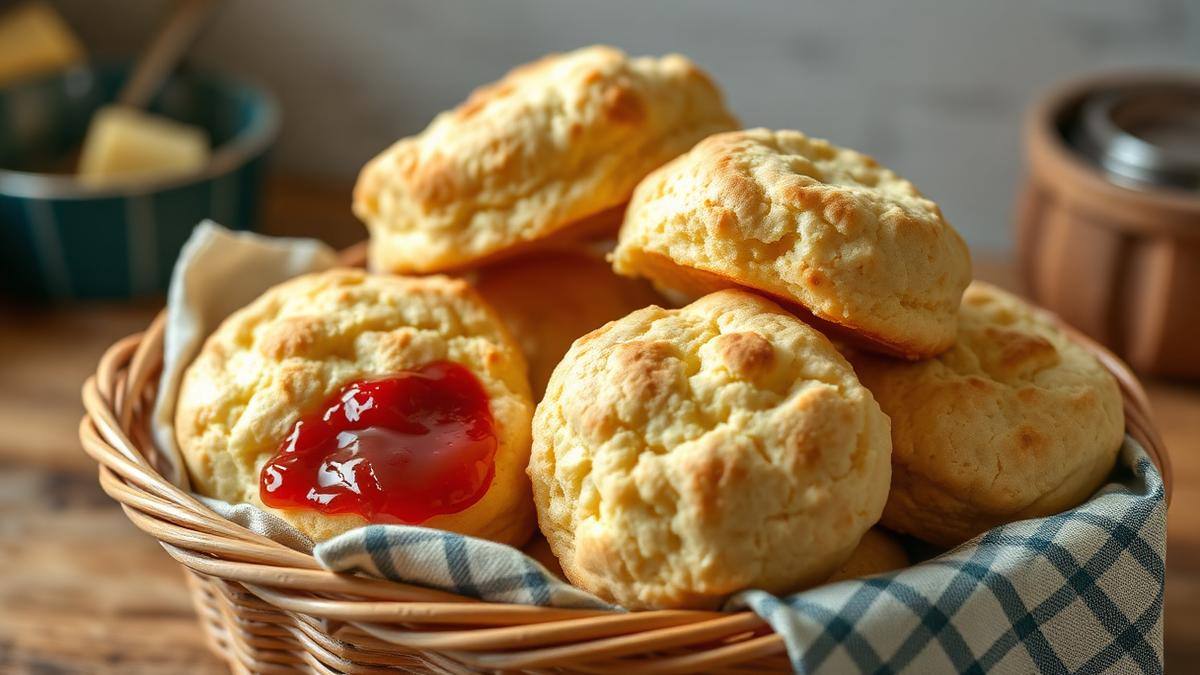
This is our favorite part, because breakfast is where Lowcountry cooking is most itself. Grits show up. Biscuits show up. Country ham, sausage gravy, fried green tomatoes, and crab all find their way onto morning plates in ways they never would further north.
At our tables you'll see shrimp and grits next to peach-stuffed French toast, which sounds like a mismatch and absolutely is not. If you want a walkthrough of the sweet side, read Southern breakfast classics explained.
Ready to skip the reading and eat? Browse the downtown menu and pick your first Lowcountry plate.
Is Lowcountry food spicy?
Generally no. It's seasoned, not hot. Heat usually arrives at the table in a bottle so everybody can decide for themselves.
What should a first-time visitor order?
Shrimp and grits, no question. Then something with a biscuit involved. Then come back the next morning and try the other half of the menu, because one meal isn't enough to cover it.
Lowcountry cuisine questions
What is Carolina Gold rice?
A heritage long-grain rice that built the coastal economy in the 1700s. It nearly disappeared and has been brought back by small growers.
Are grits and polenta the same thing?
Close relatives, different corn and different grind. Grits are usually dent corn and taste softer and sweeter.
Is Savannah food Lowcountry too?
It is. The Lowcountry crosses the state line. Our Savannah breakfast and brunch guide covers that side.
When is shrimp season in South Carolina?
Local shrimp typically run from late spring into fall. When they're in, you'll taste the difference, and our shrimp and grits guide explains why.
Taste it for yourself
Reading about Lowcountry cooking is fine. Eating it is better. Look through the downtown menu, find the closest table on our locations page, or start at our homepage and plan a slow morning. Bring an appetite and a little patience for the grits, because good ones are worth the wait.